Las Cuevas Bay, a popular beach destination in Trinidad and Tobago, is a haven for both locals and tourists alike. Nestled along the North Coast Road, just 7 km east of Maracas Bay, this picturesque bay is a must-visit for Read More

Las Cuevas Bay, a popular beach destination in Trinidad and Tobago, is a haven for both locals and tourists alike. Nestled along the North Coast Road, just 7 km east of Maracas Bay, this picturesque bay is a must-visit for anyone seeking a tranquil beach experience. This bay is a little way off from Maracas. Some say that it is calmer and the atmosphere is less busy in comparison to Maracas.
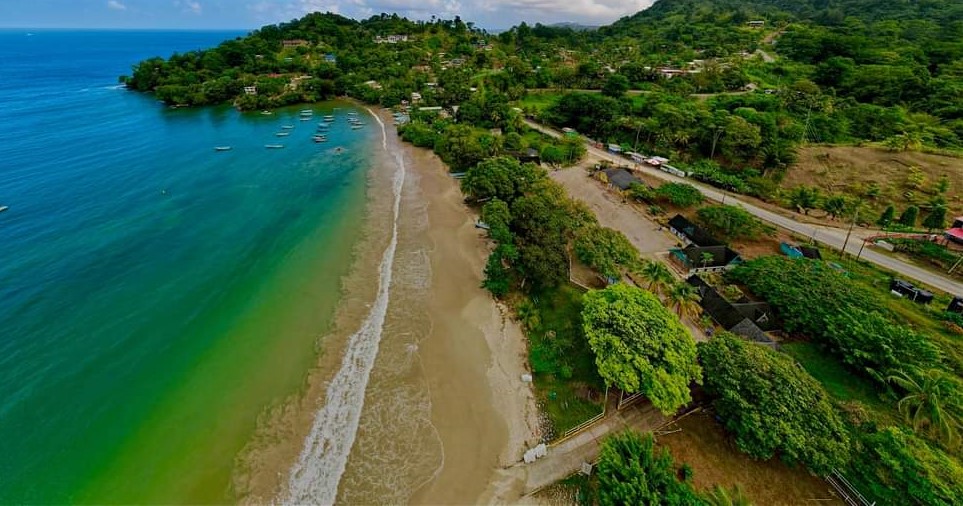
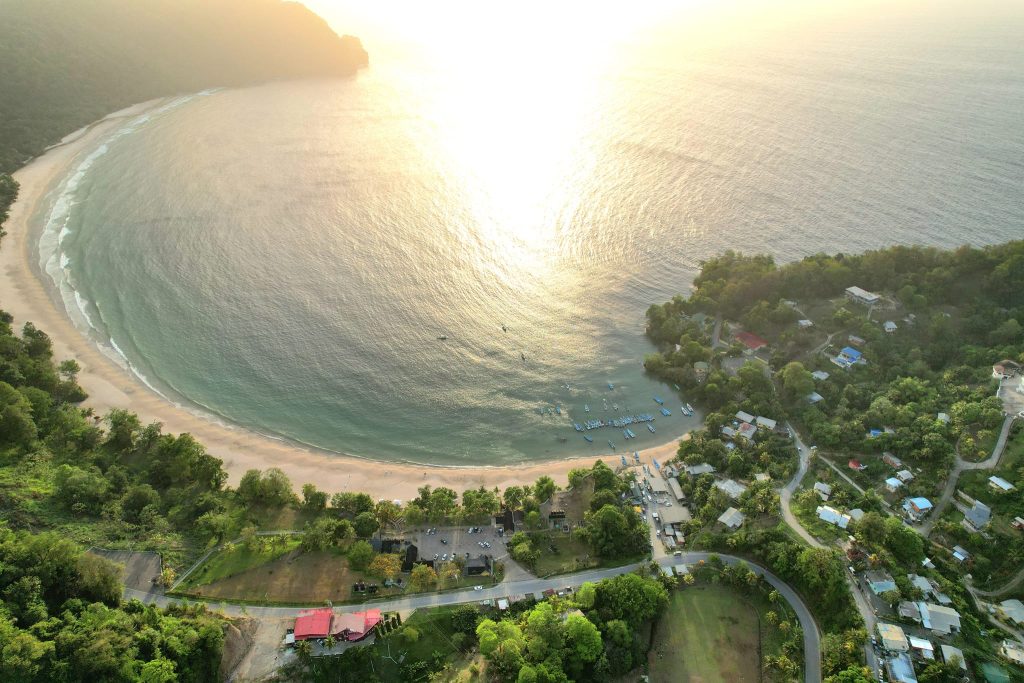
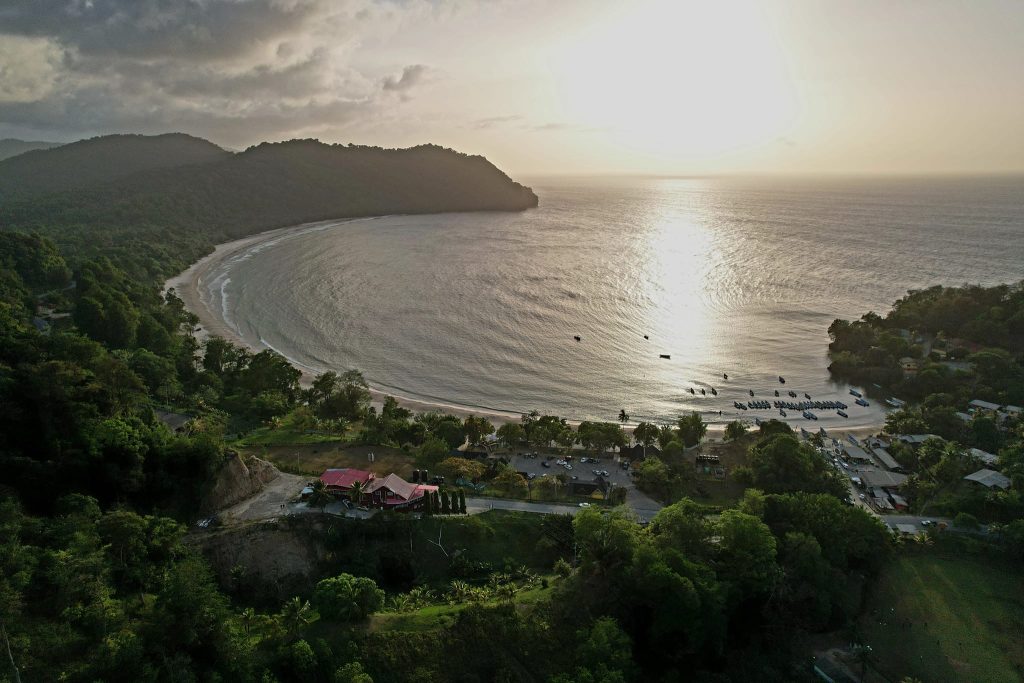
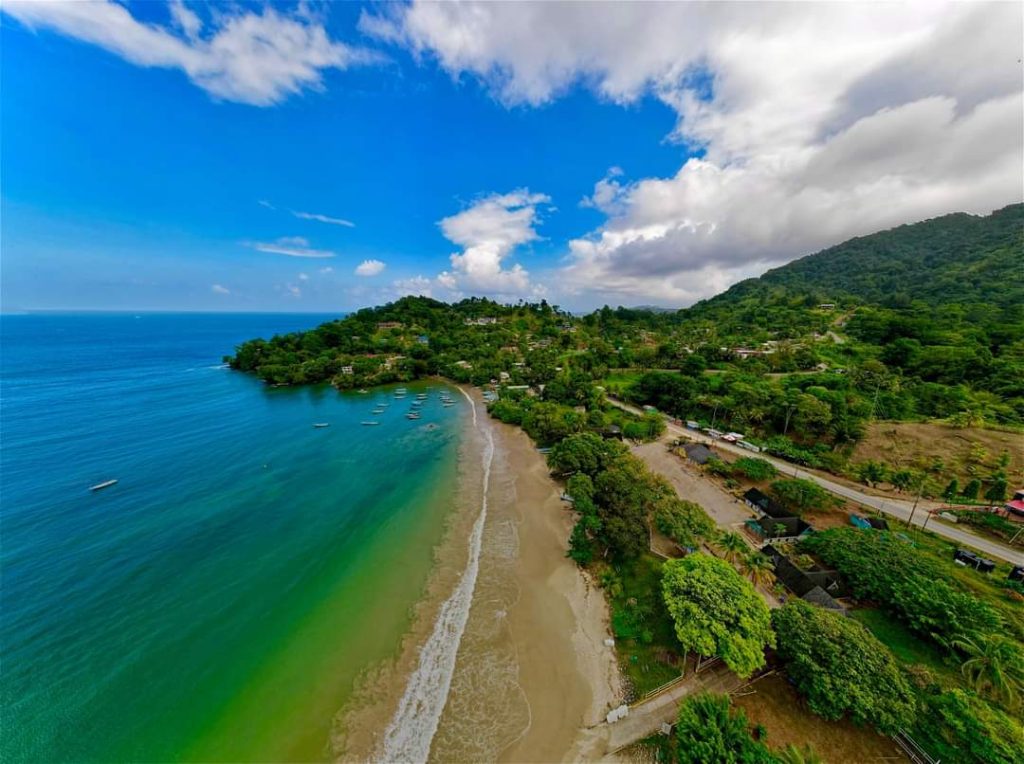
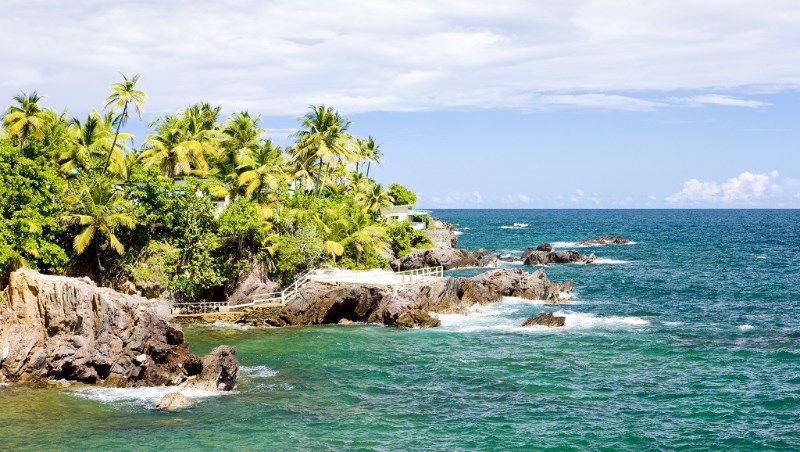
The beach, named after the Spanish word for ‘caves’, owes its moniker to the small caves found at both ends of the bay and notches in the low, steep cliffs at the eastern end of the beach. Spanning 2.2 km in length and varying in width, the bay is framed by prominent headlands – Las Cuevas Point to the west and Abercromby Point to the east.
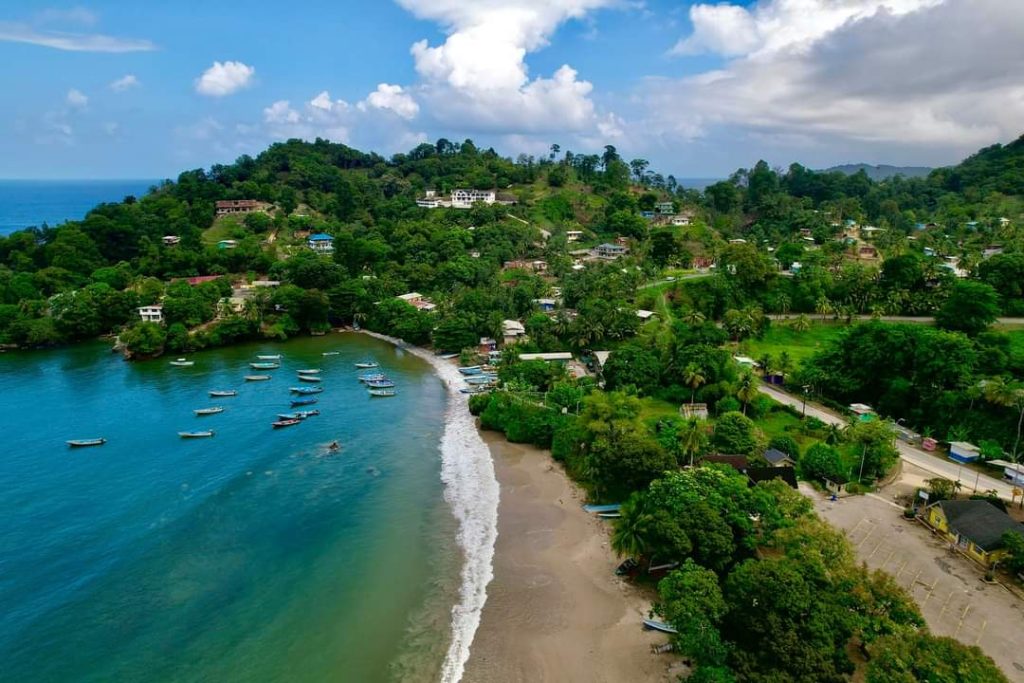
Las Cuevas Bay is known for its grayish-brown fine sand, predominantly composed of quartz. The eastern half of the beach is backed by low, steep cliffs, while the western half is backed by low-lying plains. The Cuaraguate River meanders through the flat land behind the western end of the beach, adding to the scenic beauty of the area.
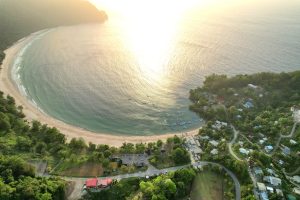 The bay is sheltered at its eastern end, with plunging breakers averaging 48 cm in the dry season and 42 cm in the wet season. From November to April, waves may reach as high as 1.50 m. The beach is well-maintained and the water is usually clear and excellent for swimming. Surfing is popular in the western section, while the eastern portion is patrolled by lifeguards daily.
Visitors should be aware of sandflies, which can be a nuisance in the rainy season, especially in the evening. Facilities at Las Cuevas include a beach facility with change rooms, showers, and toilets, a cafeteria, and a car park. A small hotel is located on the southern side of the North Coast Road, close to the beach facility.
Images Credit: Shrivan Harripersad from Caribbean Photographers, Facebook.

TriniGo.com is about all things Trinidad and Tobago, a Trini home online. We bring information on things to do, restaurants, hotels, Trinidad and Tobago vacations, flight status and more. This is where new experiences begin. Earn Points and Get Goods. Contribute and earn points that you can use on our site and partners. Earn points when you signup, upload pics, write reviews and browse around.









1 Review on “Las Cuevas Bay, Las Cuevas, Trinidad and Tobago”
Super long, super wide bay, clean beach and tall trees where you can hide and enjoy the view. The water has shallow parts if you’re with kids. My husband and I didn’t worry at all, our children had so much fun playing the water. We all loved it.