Home › Travel & Vacation › Rio Claro-Mayaro › Historical Sites

Travel and things to do in Trinidad and Tobago

Historical Sites in Rio Claro-Mayaro, Trinidad and Tobago

Estates, temples, villages and landmarks that tell the story of Trinidad and Tobago, from Amerindian and colonial history to the communities that shaped the islands today. Many sites are free to visit and easy to combine with a day trip.

Local area guide

Pick an area to see what is near you

This page lists every place in this category across Trinidad and Tobago. Choose a region or town and the page will show what is close by, with a short guide to that area.

Local area guide

About Rio Claro-Mayaro

The Rio Claro-Mayaro region encompasses southeast Trinidad from the market town of Rio Claro to the extensive Caribbean coastline at Mayaro, representing one of Trinidad's most distinct regional identities. The region combines Rio Claro's commercial and service functions with Mayaro's beach tourism economy and surrounding agricultural communities. The area serves as Trinidad's primary east coast destination, offering beach experiences distinct from the north coast while maintaining strong agricultural connections. Communities throughout the region provide essential services, local businesses, and cultural amenities supporting both permanent populations and seasonal tourism. The region benefits from the Mayaro Road connection while preserving coastal character and agricultural heritage. Rio Claro-Mayaro continues to balance beach tourism development with community needs and agricultural activities, maintaining authentic character while improving infrastructure and service offerings. Read more about Rio Claro-Mayaro

Look somewhere else

Switch area to see this category in another region or town. Your category stays the same.

All listings: Historical Sites in Rio Claro-Mayaro, Trinidad and Tobago

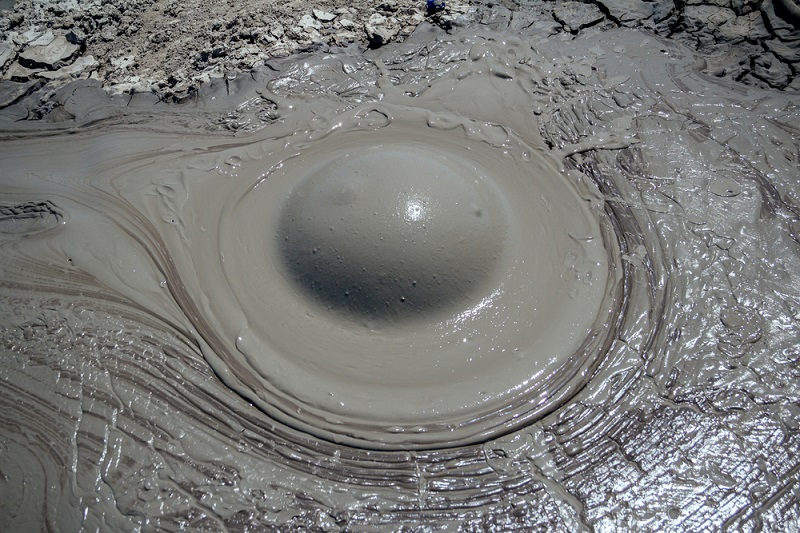
Cascadoux Trace Mud Volcano, Mayaro

St Joseph Statue

Former Mayaro Post Office

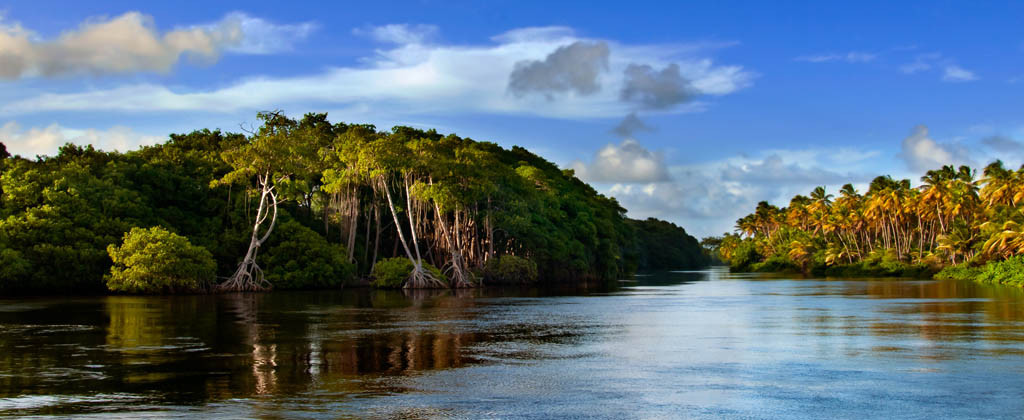
Nariva River Mouth

Nariva Swamp

Guide to Historical Sites

The history of Trinidad and Tobago is visible all over the islands: in old cocoa and sugar estates, in places of worship built by different communities, and in villages such as Lopinot, founded in the Northern Range in the early 1800s. Sites such as the Temple in the Sea at Waterloo and Robinson Crusoe's Cave in Tobago are popular stops.

Some sites are managed, with guides and set opening hours, while others are open spaces with no facilities. Places of worship may ask visitors to dress modestly and remove shoes.

Questions visitors ask

Are historical sites free to visit?

Many are free. Managed sites and guided tours may charge a small fee, so carry some cash.

Who looks after heritage sites?

The National Trust of Trinidad and Tobago lists and protects many heritage sites and buildings. Local communities and groups care for others.

Can I take photographs?

Usually, yes. At places of worship and private estates, ask first and respect any signs.

On the map

Loading...

While you're in Rio Claro-Mayaro

Find everything else you need, right here on TriniGo.

Staying over? Compare places to stay nearby on Expedia.

TriniGo may earn a commission if you book through these links, at no extra cost to you.

Been somewhere good? Tell Trinidad and Tobago about it

Join free to save your favourite places, share reviews that help the next visitor, and earn rewards points.

Two smiling friends looking at a tablet together

Planning a trip? Our Travel guide covers getting here, getting around, when to go and coming home for Carnival.

Open the Travel guide